Topic
Type 2 diabetes
42 reports, newest first.
SGLT2 inhibitors linked to fewer kidney events in normoalbuminuric type 2 diabetes
In a large retrospective database study of patients with type 2 diabetes and normoalbuminuria, SGLT2 inhibitor use was associated with a lower risk of a composite kidney outcome.
Metformin in advanced CKD: lower ESKD hazard, but evidence is very low certainty
Ten cohort studies link metformin exposure in type 2 diabetes with eGFR below 30 to a lower ESKD hazard. Certainty was very low for every outcome.

MODY Gene Variants Found in 1 in 1,013 People Across Ancestries, With Incomplete Penetrance
A multiancestry study of 374,973 individuals found monogenic diabetes variants in 1 in 1,013 participants, with incomplete penetrance. Higher type 2 diabetes polygenic risk was linked to higher diabetes risk in carriers.
Nutritional Deficiency Anemia Risk With Tirzepatide Versus GLP-1 Receptor Agonists
A retrospective cohort study found tirzepatide initiation was associated with a modestly lower hazard of nutritional deficiency anemia than GLP-1 receptor agonists in adults with type 2 diabetes.

Short Walking Breaks Versus One Continuous Walk: Better Glucose Profiles but No Gain in Insulin Sensitivity at 6 Weeks
In adults with overweight or obesity, short walking bouts through the day gave more favourable changes in glucose area under the curve and CGM glucose variability than one continuous walk of the same total time. Neither pattern improved insulin sensitivity over 6 weeks.
Angioedema Risk With DPP4 Inhibitors Compared With SGLT2 Inhibitors in Older Adults
A Medicare cohort study found a small absolute increase in angioedema risk with DPP4 inhibitors versus SGLT2 inhibitors, with no evidence of interaction with RAAS inhibitors.

Anagliptin with metformin and empagliflozin reduces HbA1c in Phase III Korean trial
Adding anagliptin to metformin and empagliflozin lowered HbA1c by 0.57 percentage points more than placebo at 24 weeks in Korean adults with type 2 diabetes.
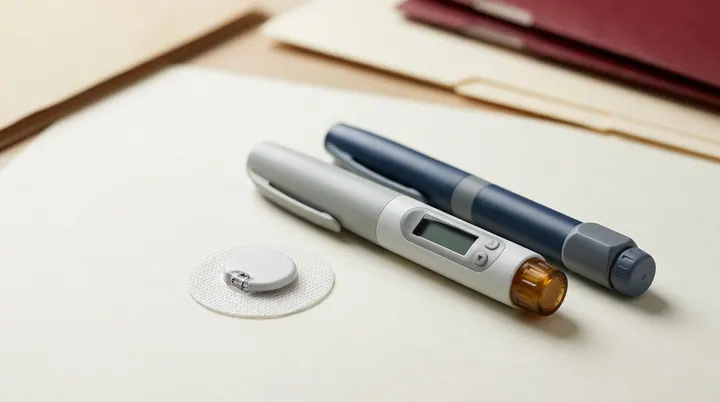
Smart insulin pens with bolus calculator lowered HbA1c more than tracking-only pens
In a 12-week randomised trial of 120 adults on multiple daily injections in South Korea, pens with a bolus calculator lowered HbA1c more than tracking-only pens.

Intensive BP control in type 2 diabetes: no significant fall in dementia or MCI
In 12 434 adults with type 2 diabetes, intensive and standard systolic targets were not significantly different for dementia or MCI; white matter lesions grew less with intensive treatment.
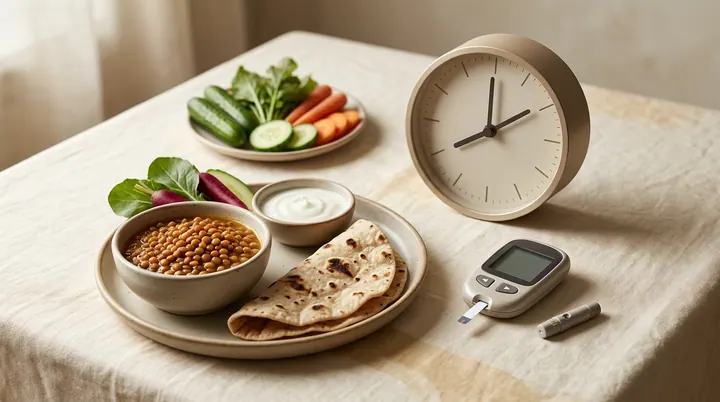
Lacto-vegetarian diet and 14-hour fasting lowered HbA1c in women with T2DM
In a 24-week randomised trial of 96 Indian women with type 2 diabetes, a lacto-vegetarian diet with 14-hour fasting gave lower HbA1c and HOMA-IR than usual care.
Tirzepatide vs intensified care in early type 2 diabetes: HbA1c results at week 104
In a phase 4 trial record sponsored by Eli Lilly, adults with early type 2 diabetes on tirzepatide had a larger HbA1c fall at week 104 than those on intensified conventional care.

FDA adds NAION eye warning to labels of all GLP-1 receptor agonists
The US FDA is requiring a Warnings and Precautions entry on non-arteritic anterior ischemic optic neuropathy for all GLP-1 RAs, citing a potential increased risk of this rare eye condition.
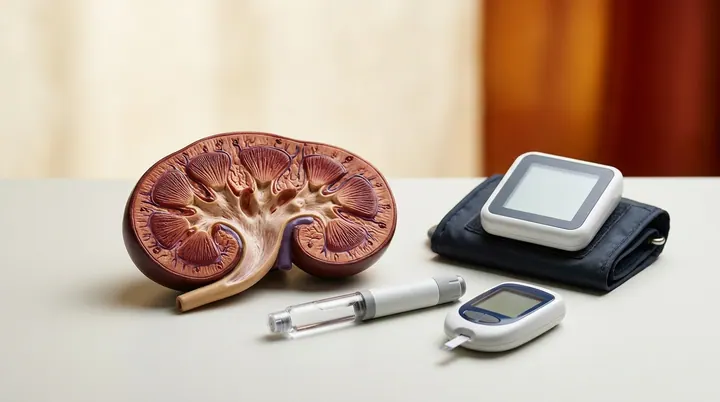
Semaglutide and HbA1c, weight and BP across CKD stages in FLOW post hoc analysis
In a FLOW post hoc analysis, semaglutide 1.0 mg lowered HbA1c and weight more than placebo, with greater improvement in systolic blood pressure in lower eGFR and higher UACR categories.
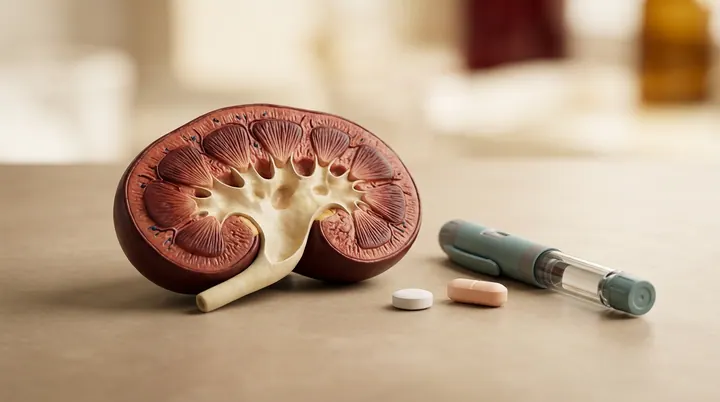
Real-world cohort: SGLT-2 inhibitors linked to lower kidney failure risk than GLP-1 RAs
In a large retrospective cohort of adults with type 2 diabetes, SGLT-2 inhibitors were associated with lower kidney failure and mortality risk than GLP-1 RAs. Cardiovascular outcomes were broadly comparable.

Hypoglycaemia linked to QTc prolongation in type 1 and type 2 diabetes: meta-analysis
A meta-analysis of 32 studies found QTc was longer during hypoglycaemia than euglycaemia, with very large differences between studies and no arrhythmia outcomes reported in the abstract.

Next-generation incretins: early signals beyond semaglutide, not yet like for like
Three reports on CagriSema, orforglipron and UBT251 show clear weight effects and, in the two diabetes studies, HbA1c effects, but different designs mean the agents cannot be ranked against each other.
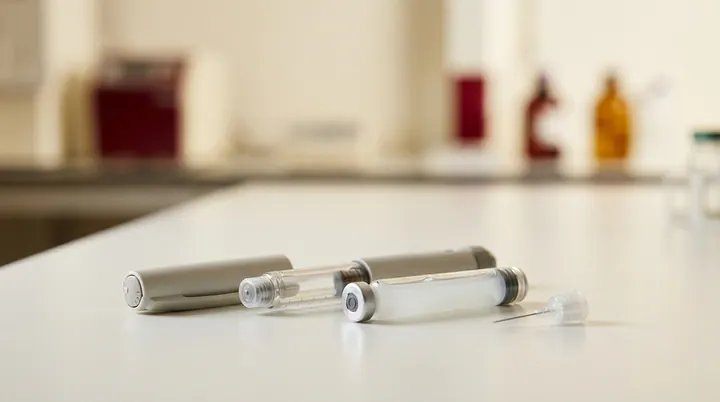
CDSCO expert committee: Phase III trial of degludec/aspart mix recommended
At its meeting on 22.10.2026, the SEC (Endocrinology & Metabolism) recommended grant of permission for a Phase III trial of G.C. Chemie Pharmie's insulin degludec and insulin aspart injection.
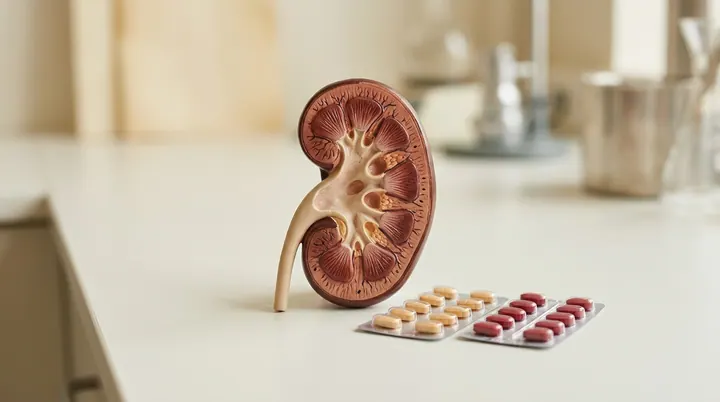
SGLT2 inhibitors in adults aged 75 and over: cohort finds no increased harm versus DPP-4 inhibitors
A Canadian cohort study of adults aged 75 or older with type 2 diabetes found lower acute kidney injury and hospitalisation with SGLT2 inhibitors than DPP-4 inhibitors, with imprecise results for some outcomes.
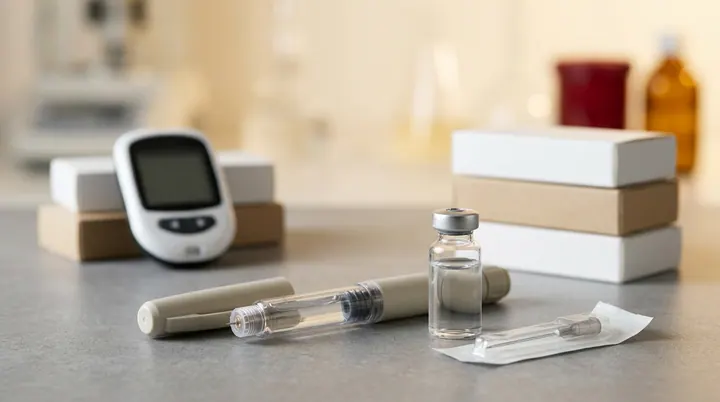
Triple agonist UBT251 lowers HbA1c in Chinese adults with type 2 diabetes in phase 2 trial
In a 24-week phase 2 trial of 211 Chinese adults with type 2 diabetes, once-weekly UBT251 lowered HbA1c more than placebo and reduced weight more than semaglutide.
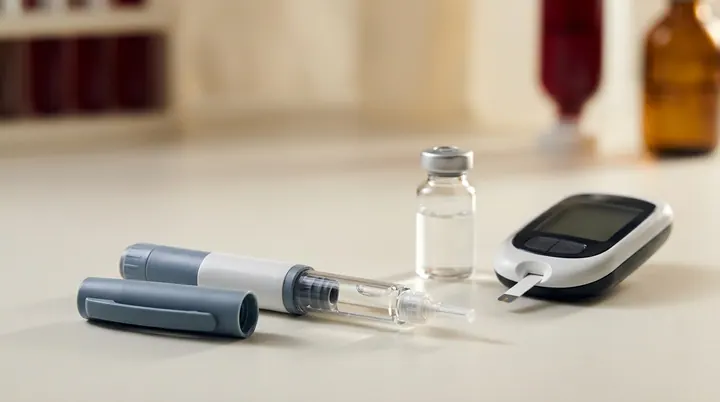
CagriSema in type 2 diabetes: meta-analysis of six trials shows HbA1c and weight falls
A Bayesian meta-analysis of six randomised trials found substantial HbA1c and weight reductions with CagriSema versus placebo. Its added benefit over semaglutide was clearer for weight than for HbA1c.

GLP-1 RA use and neuropsychiatric outcomes in Medicare adults with type 2 diabetes
A Medicare claims cohort found a small rise in aggregate psychiatric risk with GLP-1 RA use, higher depression risk, and lower risks of substance use disorders, dementia and suicidal or self-harm events.
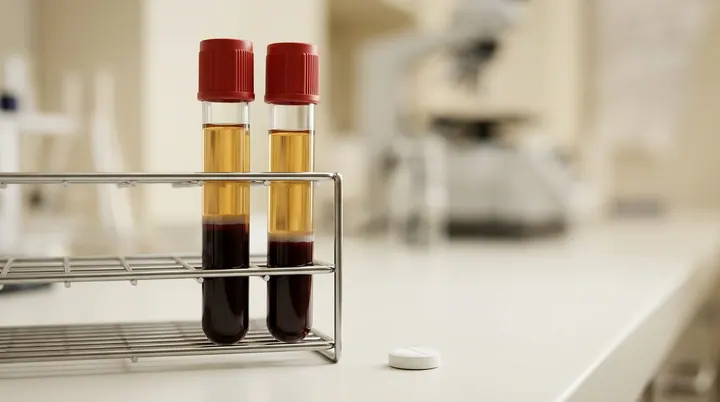
SGLT2 inhibitor use associated with small rises in haemoglobin and haematocrit, 85 trials
A JAMA meta-analysis of 85 randomised trials found small, statistically significant rises in haemoglobin and haematocrit with SGLT2 inhibitors, and the authors say the clinical significance is unclear.

Oral GLP-1 agonists: early HbA1c data, regulators acting, safety data still missing
Oral GLP-1 drugs lowered HbA1c in a phase II trial and a registry report, and regulators are acting, but safety data and formal comparisons are still missing.

FDA approves once-weekly insulin Awiqli for children with type 2 diabetes
The US FDA has approved Awiqli (insulin icodec-abae) for paediatric type 2 diabetes, based on a single-dose study in 18 patients and pharmacometric modelling.
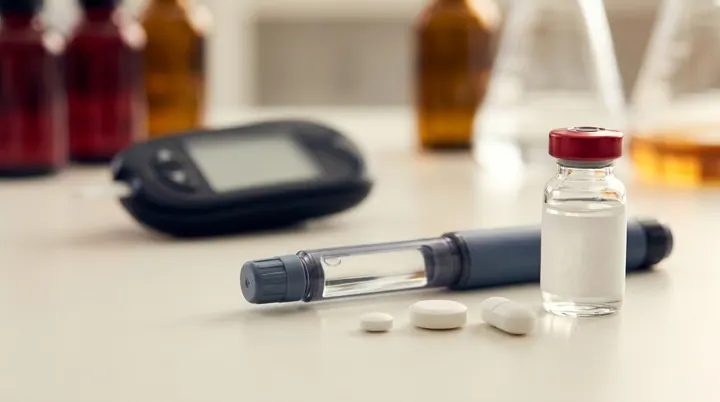
CDSCO expert committee: trial permission recommended for oral semaglutide, 3 more
At its 23rd/26 meeting on 07.10.2026, the CDSCO endocrinology committee recommended grant of permission for four clinical trials: LY3502970, two insulin products and oral semaglutide.

Diabetes duration and insulin use predicted remission in ARMMS-T2D
Over a median of 11 years, 58% randomised to surgery reached remission versus 3% with medical-lifestyle care. Shorter diabetes duration predicted remission.
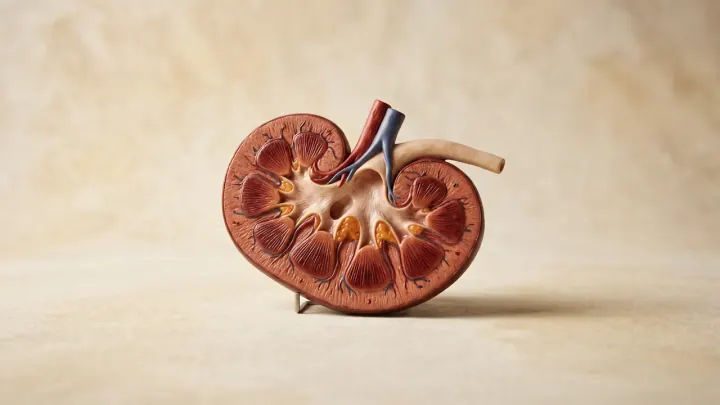
Semaglutide safety by eGFR in FLOW: fewer serious adverse events than placebo
In a descriptive FLOW analysis, serious adverse events were reported less often with semaglutide than placebo at every baseline eGFR level, but gastrointestinal discontinuations were more frequent.
CDSCO expert committee: Virchow liraglutide and Roche petrelintide trials
At its 22nd/26 meeting on 23.09.2026, the SEC recommended permission for three Roche petrelintide phase III trials and for Virchow Biotech's liraglutide, subject to a Phase IV study.

Degludec linked to lower all-cause mortality than glargine in Swedish register
In a nationwide observational study of people with type 2 diabetes starting insulin, degludec was associated with lower all-cause mortality than glargine. Lower MACE risk was seen only in the trial-ineligible cohort.

Oral GLP-1 drugs: a committee opinion, registry numbers and an early Phase II signal
An EMA committee backs orforglipron, a registry posts its HbA1c results against dapagliflozin, and HRS-7535 shows a Phase II signal. None yet settles safety, tolerability or long-term benefit.
Oral GLP-1 agonist HRS-7535 lowered HbA1c in Phase II trial in type 2 diabetes
In a 16-week Phase II trial in Chinese participants, adding oral HRS-7535 to metformin and an SGLT2 inhibitor lowered HbA1c more than placebo, with limited safety detail.

CGM lowers HbA1c in adults with type 2 diabetes not using insulin in primary care
In a 26-week randomised trial in US primary care, CGM led to a greater fall in HbA1c than routine care in adults with type 2 diabetes not using insulin.
Oral orforglipron vs dapagliflozin on metformin: ACHIEVE-2 HbA1c results posted
Registry results from a phase 3 open-label trial report numerically larger HbA1c falls at week 40 with three orforglipron doses than with dapagliflozin 10 mg. No formal test result is given.

Indian moderate-carbohydrate diet plus exercise: 60.9% estimated remission in early T2D
In a single-arm study of 87 adults with early type 2 diabetes in Maharashtra, a local moderate carbohydrate diet with daily exercise was associated with 60.9% estimated remission.
Network meta-analysis: SGLT2 inhibitors versus finerenone in CKD with type 2 diabetes
An indirect comparison found both drug classes protect the heart and kidney versus placebo. SGLT2 inhibitors were favoured on some outcomes, but certainty was low or very low.

Meta-analysis: SGLT2 inhibitors reduce heart failure or CV death in type 2 diabetes
A pooled analysis of 14 large placebo-controlled studies found SGLT2 inhibitors lowered heart failure hospitalisation or cardiovascular death in adults with type 2 diabetes, with kidney benefit too.

The next wave of GLP-1 drugs: early promise, but cost and access still unclear
Four trials of oral, copy and triple-agonist incretin drugs show effects on HbA1c or weight, but the designs differ too much to rank the drugs or to change practice.
Orforglipron with insulin glargine: larger HbA1c fall than placebo in phase 3
A phase 3 registry record reports that adults with type 2 diabetes on insulin glargine had larger HbA1c falls at week 40 with oral orforglipron than with placebo.
twiist automated insulin delivery in type 2 diabetes: 13-week single-arm trial
In 307 adults with insulin-treated type 2 diabetes, 13 weeks of twiist automated insulin delivery was followed by lower HbA1c and more time in range, without a control group.

Semaglutide in diabetic kidney disease: primary MRI outcomes not met in 52-week trial
In a 52-week randomised trial in type 2 diabetes and chronic kidney disease, semaglutide did not significantly alter the coprimary kidney MRI outcomes versus placebo. Some secondary imaging and tissue findings favoured it.
ADA and EASD 2026 consensus: earlier SGLT2 inhibitor and/or GLP-1-based therapy in type 2 diabetes
The updated ADA and EASD consensus widens the focus from glucose control to holistic management and advocates earlier use, possibly from diagnosis, of SGLT2 inhibitors or GLP-1-based therapies.
Oral safiglipron versus dapagliflozin in type 2 diabetes: phase 3 trial in China
In a 32-week phase 3 trial in China, the oral GLP-1 receptor agonist safiglipron was non-inferior to dapagliflozin for HbA1c lowering, with more gastrointestinal side effects.
Today's Rounds, in your inbox at 8 am
Free and ad-free. Unsubscribe from any email.